
Kannada Brahmin Wedding Customs: Grace, Devotion & Joy
The Kannada Brahmin wedding is a tapestry of classical devotion, Vedic scholarship, and regional folk traditions. Mainly the Brahmin community of Karnataka — including Smarthas, Madhvas, and Hoysala Karnatakas — have preserved their unique matrimonial rites across generations, weaving Sanskrit chants with the lilting beauty of Kannada culture.
Nishchitartha: Formalising the Alliance
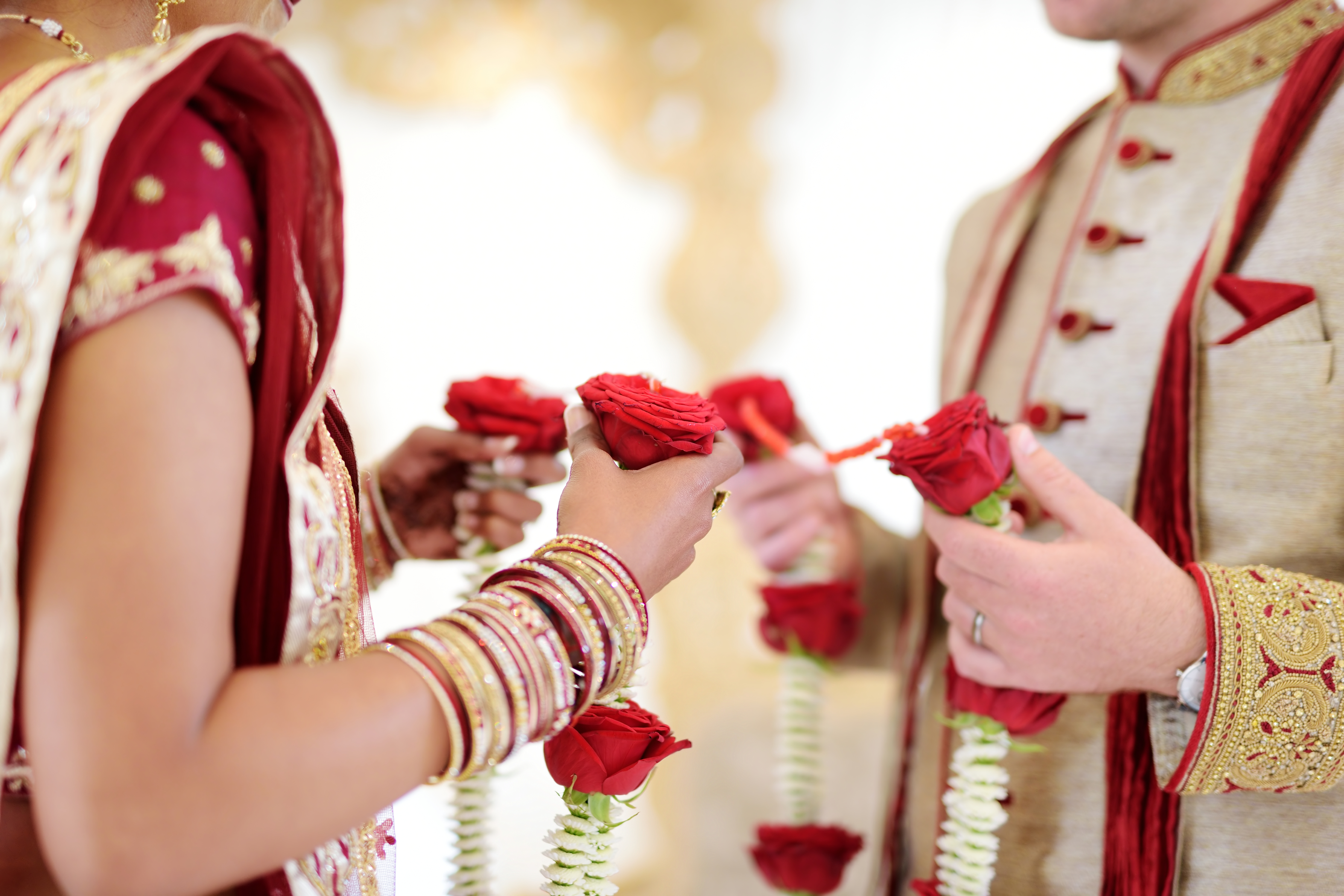
The Nishchitartha ceremony marks the formal confirmation of the marriage alliance. Both families exchange mangoes, coconuts, betel leaves (Veelyada Ele Adike), and traditional silk sarees. The Horoscopes of the bride and groom are compared by the family priest (Purohita) who confirms Gotra compatibility, Rashi match, and the auspicious Muhurtha for the wedding.
A significant feature of mainly the Brahmin community's engagement in Karnataka is the Shaligrama worship — both families bring the sacred Shaligrama stone (a fossilised ammonite representing Lord Vishnu) and the bride symbolically "marries" it before her human wedding, ensuring spiritual protection throughout her life.
Naandi: Invoking the Ancestors
Before any major auspicious event in a Kannada Brahmin household, the Naandi ceremony is performed. The family priest conducts a special Homa (fire ritual) invoking the blessings of the couple's ancestral lineage — specifically seeking the approval of the Pitru Devathas (ancestral spirits). Sesame seeds, ghee, and rice are offered into the sacred fire as the priest chants ancestral lineage names going back seven generations.
This ceremony reflects the profound belief in mainly the Brahmin community that marriage is not just a union of two individuals, but of two ancestral lineages seeking to continue their dharmic journey together.
Nandi Deepa & Vara Pooja
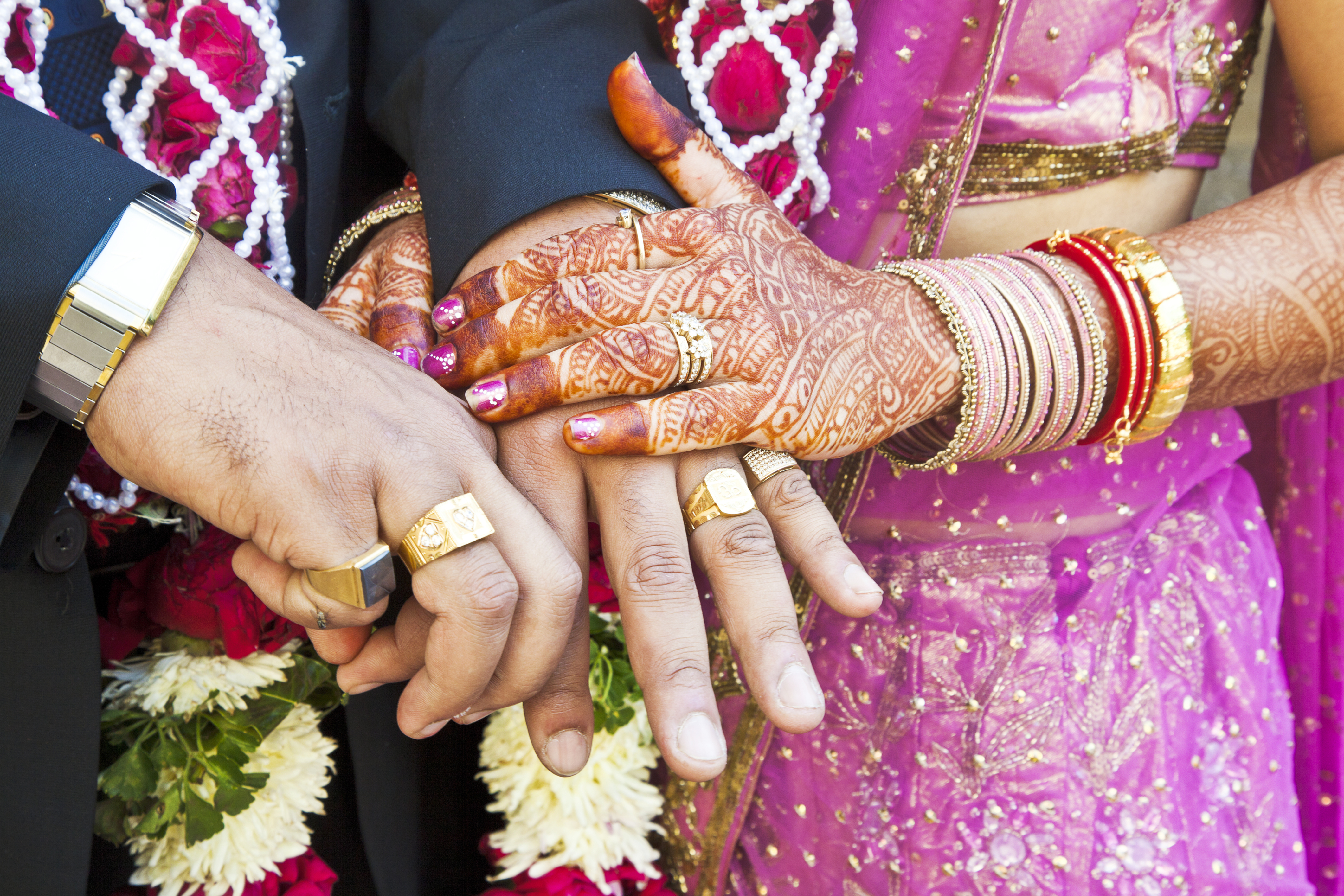
The Nandi Deepa (sacred lamp) is lit and kept burning throughout the three-day wedding celebrations — a constant presence of divine light protecting the proceedings. On the wedding day, the Vara Pooja (groom's worship) takes place, where the bride's family performs elaborate rituals honouring the groom as a manifestation of Lord Vishnu or Lord Shiva, depending on the family's Sampradaya (tradition).
The groom's feet are washed by the bride's father and mother, anointed with sandalwood paste, and decorated with flower garlands — a deeply moving gesture of acceptance and respect that brings tears to even the most stoic of observers.
Kashi Yatra & Swayamvara Parvathi Pooja
Like other South Indian Brahmin traditions, the Kannada Brahmin wedding also features the Kashi Yatra — the groom's playful departure for Kashi, intercepted by the bride's father. However, what makes the Kannada version unique is the Swayamvara Parvathi Pooja conducted by the bride before the main ceremony. The bride worships Goddess Parvathi — the divine model of a perfect wife — praying for a husband as devoted and powerful as Lord Shiva, and for a marriage as beautiful as that of the divine couple.
The Vivaha Muhurtha
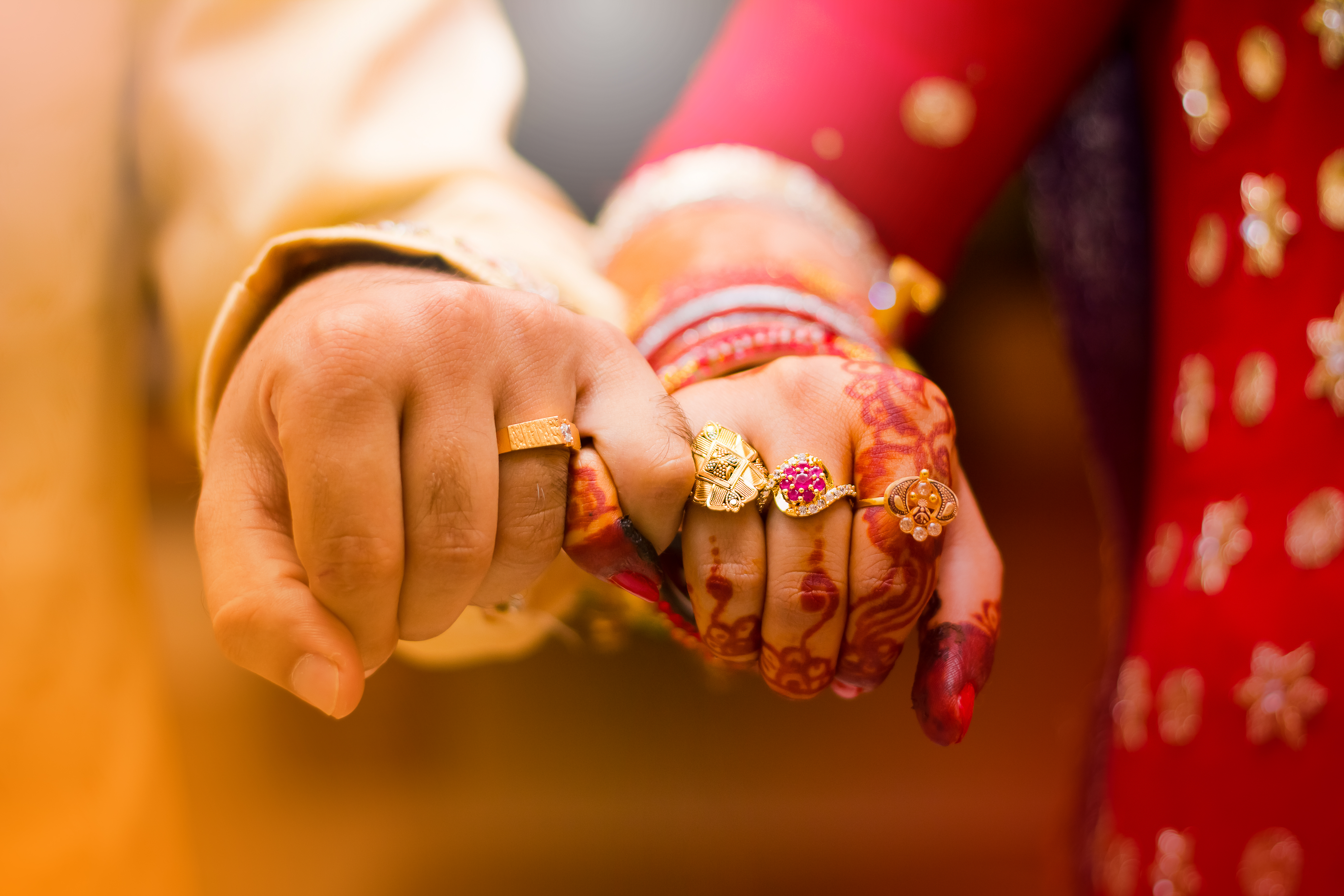
At the auspicious Muhurtha, the groom ties the sacred Mangalasutra around the bride's neck while the priest chants the Mangala Ashtakam — eight verses of blessing. In Madhva households, the Mangalasutra is tied three times: once by the groom, once with the groom's mother's guidance, and once by the groom's sister. Each knot represents the triad of cosmic responsibilities: to God, to ancestors, and to humanity.
The Saptapadi follows, where the couple walks seven steps around the sacred fire, each step accompanied by specific Vedic mantras invoking the Saptarishi stars — the seven great sages — to witness and bless the union.
Aarti & Ashirvada
After the main ceremony, married women of both families perform Aarti for the couple, waving lamps in circular motions to ward off the evil eye. The couple then seeks blessings (Ashirvada) from every elder in attendance — touching the feet of parents, grandparents, uncles, aunts, and family priests. In Kannada tradition, the elder places a betel leaf on the head of the person touching their feet, representing the bestowing of blessings, long life, and wisdom.
Sapta Padi & Reception
The wedding feast (Oota) following the ceremony is a lavish multi-course meal served on banana leaves — a tradition shared across mainly the Brahmin community of South India. The meal begins with a pinch of salt (representing sharpness of intellect), followed by bitter preparations (representing life's challenges), pickles (representing spice), sweets, rice dishes, sambar, rasam, buttermilk, and payasam — symbolising the full spectrum of life that the couple will experience together.
Looking for a Kannada Brahmin Match?
MSMatrimony serves Smartha, Madhva, and Hoysala Karnataka Brahmin families. Our Gotra-aware matching and Vedic compatibility engine help you find the perfect partner.
Find Your Match →